
OpenFlexure Microscope V2
 par LIBRE-hub


Fichiers imprimables (17)
-
 stl
stlgear_elevator.stl
19 Ko · 6 772 téléchargements
-
 stl
stllarge_gear.stl
352 Ko · 6 817 téléchargements
-
 stl
stloptics_picam2_pilens.stl
973 Ko · 6 761 téléchargements
-
 stl
stlpicam2_board_gripper.stl
10 Ko · 6 750 téléchargements
-
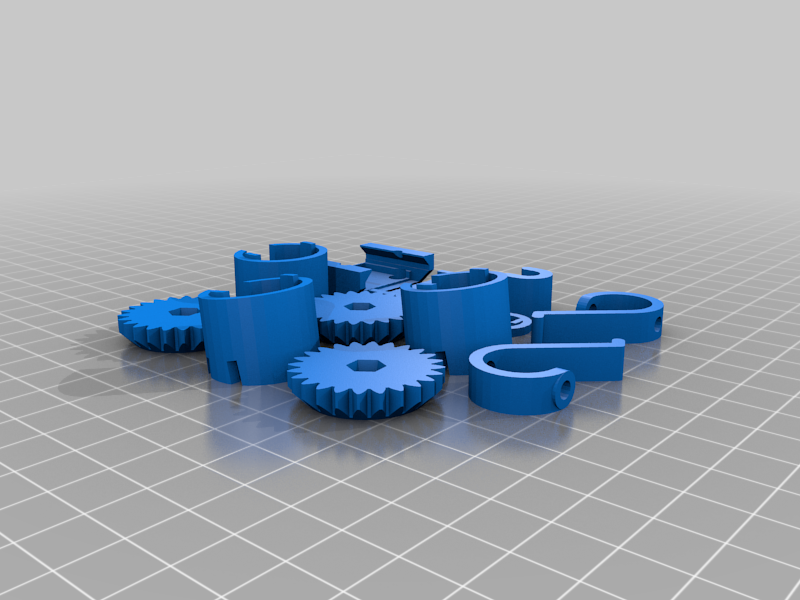 stl
stlbed2_shallow_picam2.stl
493 Ko · 6 745 téléchargements
-
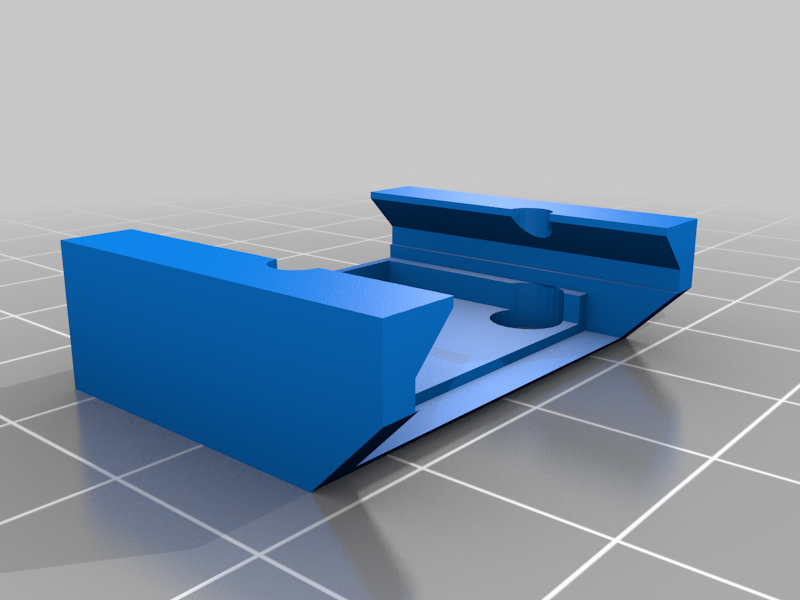 stl
stlpicam_cover.stl
67 Ko · 6 743 téléchargements
-
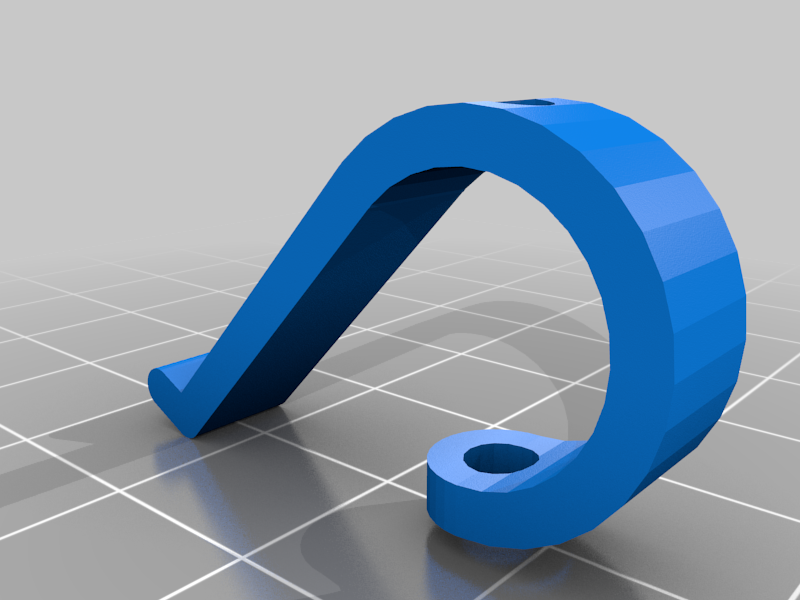 stl
stlsample_clip.stl
108 Ko · 6 746 téléchargements
-
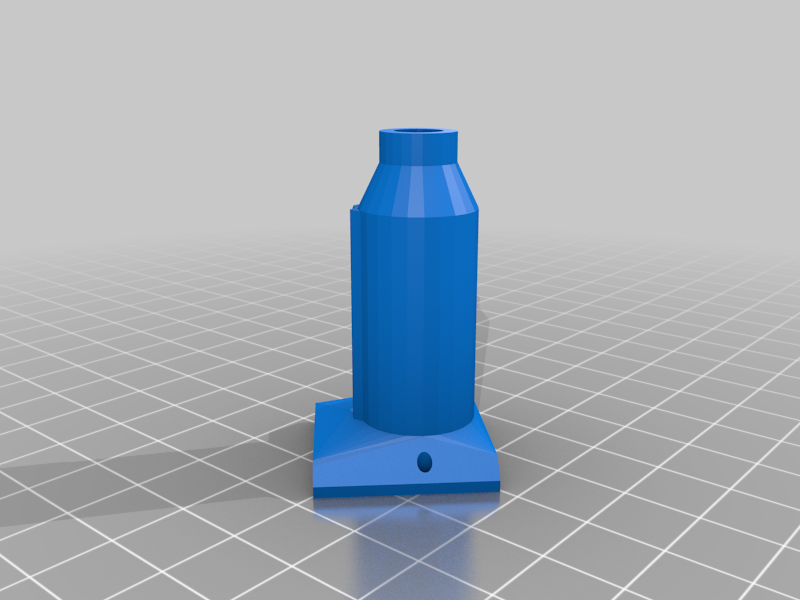 stl
stloptics_picam1_pilens.stl
900 Ko · 6 739 téléchargements
-
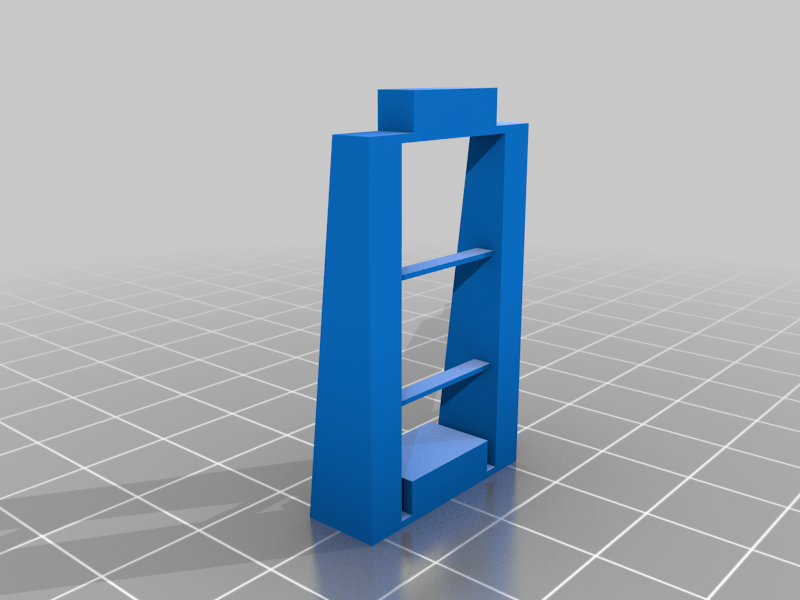 stl
stljust_leg_test.stl
15 Ko · 6 740 téléchargements
-
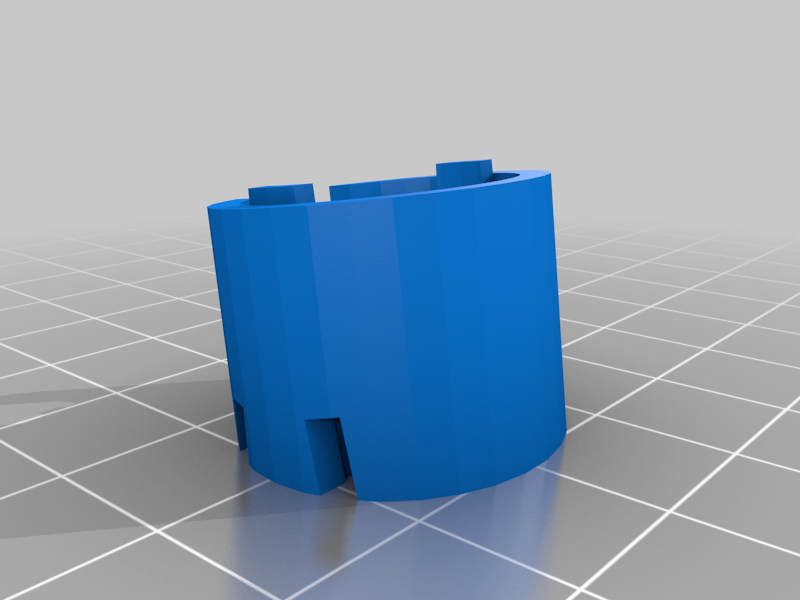 stl
stltilted_foot.stl
77 Ko · 6 736 téléchargements
-
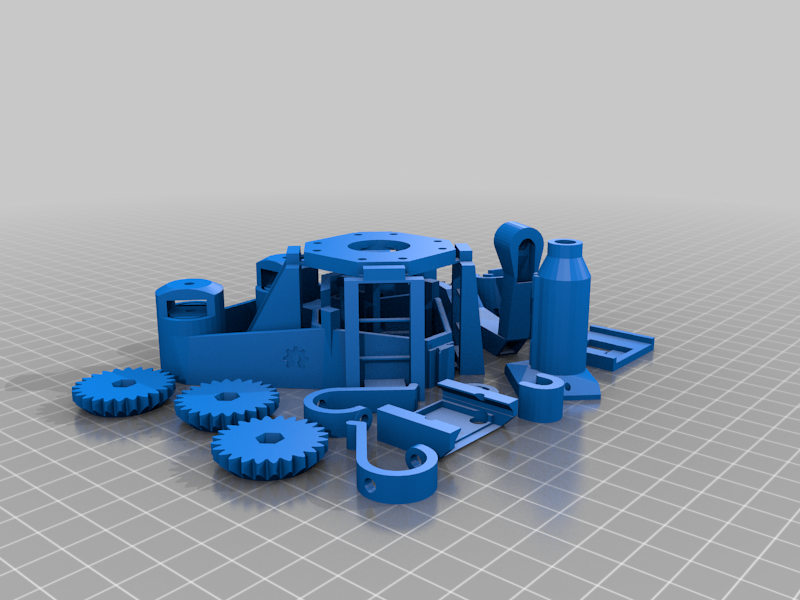 stl
stlall_parts_picam2.stl
2 Mo · 6 763 téléchargements
-
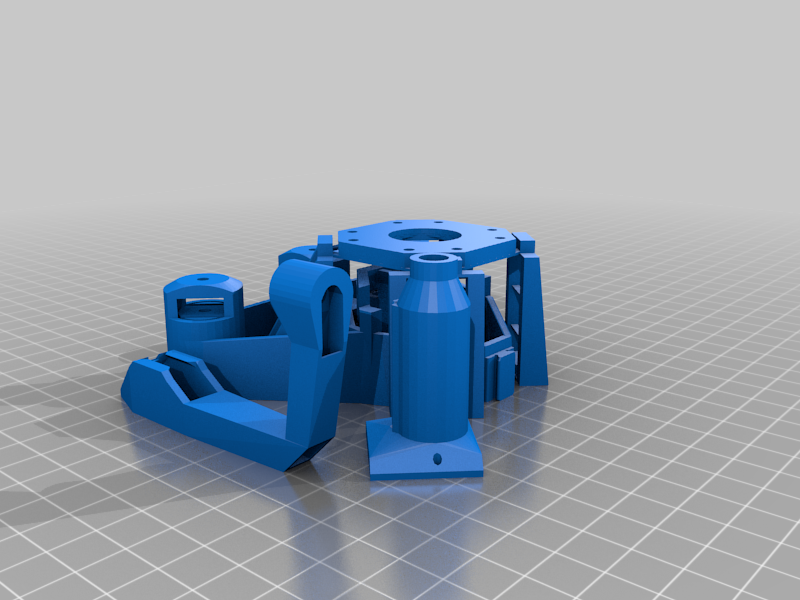 stl
stlbed1_tall_picam2.stl
1.5 Mo · 6 717 téléchargements
-
 stl
stlpicam1_board_gripper.stl
9 Ko · 6 711 téléchargements
-
 stl
stlpicam2_lens_remover.stl
29 Ko · 6 713 téléchargements
-
 stl
stluntilted_foot.stl
70 Ko · 6 709 téléchargements
-
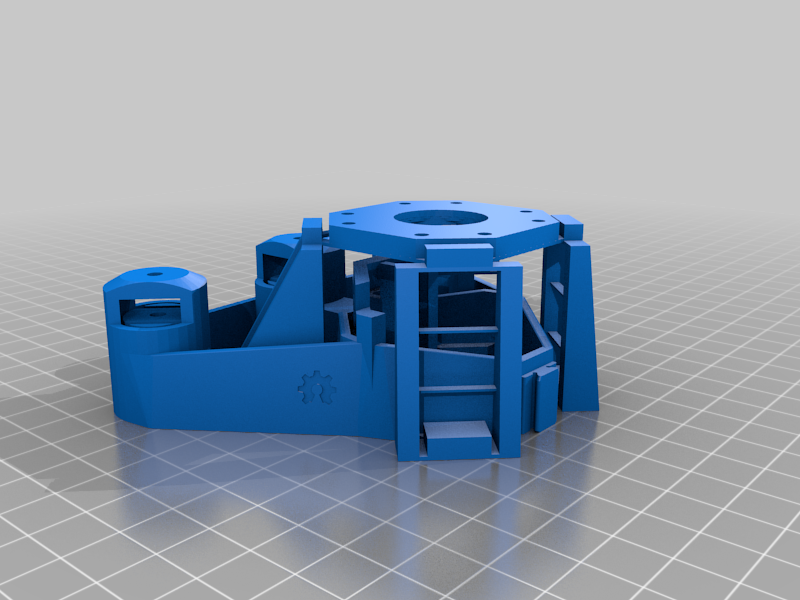 stl
stlmain_body_vanilla.stl
4.4 Mo · 6 738 téléchargements
-
 stl
stlillumination_and_rear_foot_standard_stage.stl
183 Ko · 6 713 téléchargements
Description
THIS IS NOT MY OWN DESIGN! I am sharing the files from Richard Bowman documented in the public domain in detail here on DocuBricks: http://docubricks.com/viewer.jsp?id=9134926926759813120#brick_909106319 here on github: https://github.com/rwb27/openflexure_microscope, here published: http://dx.doi.org/10.1063/1.4941068, and here on Waterscope: http://www.waterscope.org/.
Optomechanics is a crucial part of any microscope; when working at high magnification, it is absolutely crucial to keep the sample steady and to be able to bring it into focus precisely. Accurate motion control is extremely difficult using printed mechanical parts, as good linear motion typically equires tight tolerances and a smooth surface finish. This design for a 3D printed microscope stage uses plastic flexures, meaning its motion is free from friction and vibration. It achieves steps well below 100nm when driven with miniature stepper motors, and is stable to within a few microns over several days. This design aims to minimise both the amount of post-print assembly required, and the number of non-printed parts required - partly to make it as easy as possible to print, and partly to maximise stability; most of the microscope (including all the parts with flexures) prints as a single piece. The majority of the expense is in the Raspberry Pi and its camera module; the design requires only around 100g of plastic and a few nuts, bolts and other parts. The optics module (containing the camera and lens) can be easily swapped out or modified, for example to add epifluorescence or change the magnification.
I ran workshops based on the design, which is highly rewarding. A must try!