27/05/2026
Post-processing in 3D Printing: Enhancing Aesthetics and Multiplying Resistance
Guide to FDM and Resin 3D Printing Post-Processing Techniques. Improve the visual appearance and strength of your mechanical parts. In brief: Discover how to transform a raw part into a finished functional component: sanding PLA, heat annealing PETG to eliminate anisotropy, washing and UV curing resins.
FDM Post-processing: Mechanical and Thermal Improvement
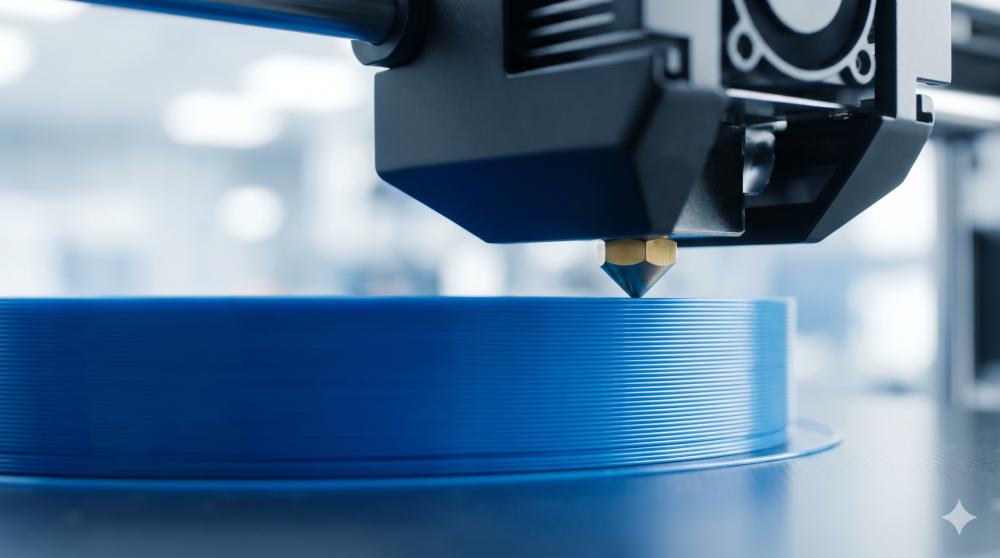
FDM printing creates layer lines that are visible to the eye and touch. Several methods can correct this relief and strengthen the structure.
- Sanding and Priming (Visual Adjustment): For rigid materials like standard PLA, progressive wet sanding followed by the application of a filling primer can completely eliminate the layer effect before painting.
- Thermal Annealing: This is the secret to ultra-resistant functional parts. By placing a part printed in technical PETG in a controlled thermal environment, the polymer's molecular structure is reorganized. This crystallization fills micro-voids and drastically reduces mechanical anisotropy by welding the layers together.
Resin Post-processing: A Chemical and Structural Necessity
Unlike FDM, post-processing is mandatory in stereolithography. A part fresh from the machine is still malleable and covered in a sticky film.
- Washing: The part must be immersed in a solvent bath (generally isopropyl alcohol - IPA). This step dissolves the superficial liquid resin, essential for revealing the surgical sharpness of a figurine resin.
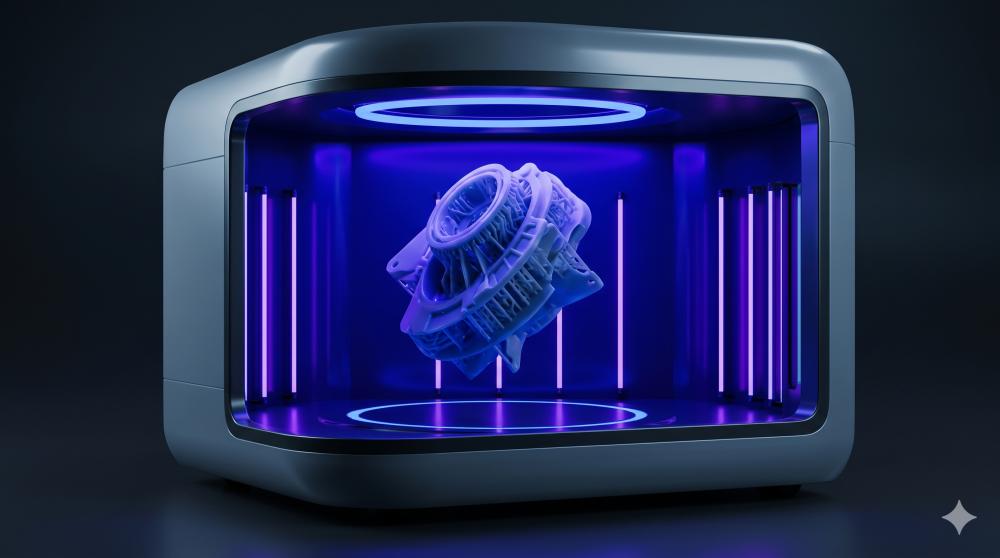
- Final Curing: The clean part is placed in a chamber under UV radiation combined with moderate heat. The UV rays permanently solidify the polymer bonds. This treatment gives Tough 2000 resin its mechanical properties close to ABS.
Advanced Surface Treatments
For industrial or commercial applications, other post-treatments can be applied:
- Chemical Vapor Smoothing: It briefly exposes the FDM part to solvent vapors that microscopically melt the outer layer, making the part waterproof and shiny.
- Application of UV-resistant Varnish: Essential to prevent yellowing or embrittlement of resins exposed to daylight.